
Selvedge denim – the colour of quality
Denim is working hard again this season, with dungarees, flares and A-line button-up skirts all key tools in the 1970s revival kit. Though unlike other throwbacks – crop tops, suede and sheepskin trim – it’s never really stopped to put its feet up.
Nearly everyone owns a pair of jeans. But for some denim is a more serious business; serving its original purpose as workwear or marking allegiance to a subculture – bikers, mods, rockabillies. Which is where selvedge denim comes in. A premium product identified by the colour of thread used and visible in the turn up.
Here we talk to two brands who have the traditional craft all sewn up – Brighton-based Dawson Denim and Edwin Europe, stocked in Duke Street’s Peggs & son:
What is selvedge denim?
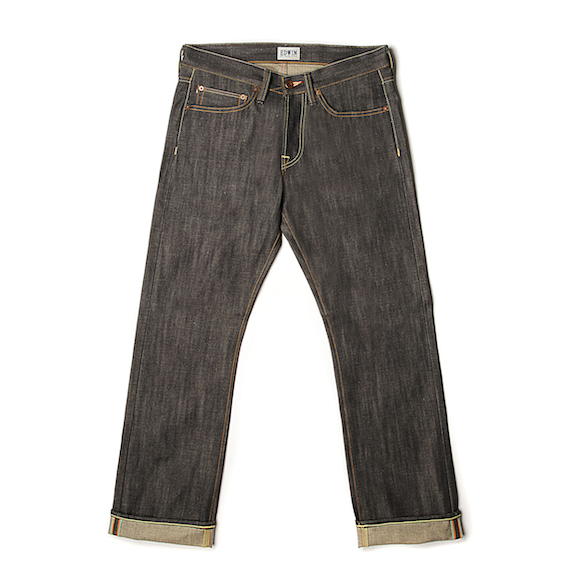
Edwin: Selvage Denim is a high premium fabric made in a tradition way. A shuttle loom spins one continuous thread, creating a self-edge that doesn’t fray. Producing denim in this way is a lot more time consuming and the fabric width is limited to 30 inches but the end result is a tightly woven, hard-wearing denim with a coloured thread.
Dawson: Selvedge is the oldest form of denim fabric still in manufacture today, up until the 1970s it was the only type of fabric you could buy.
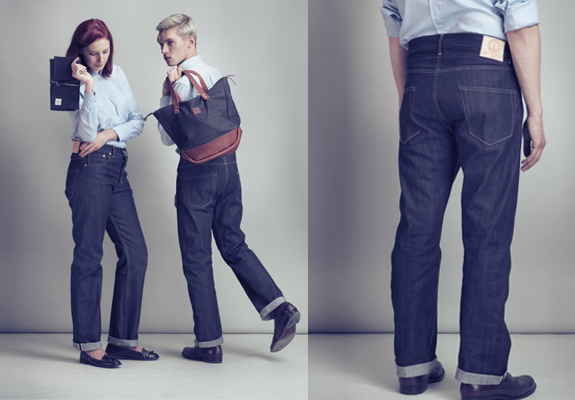
It’s woven on traditional looms (ours uses a loom developed by in the 1920s), which are still man-operated. These narrow looms create fabrics up to 70 inches wide and each can produce only 100 metres of this fabric a day. It’s the closest to the original 1880s fabric we can get. On both edges are a section of 1/8″, usually white or white and red, that you can see on the outer seams of jeans when folded.
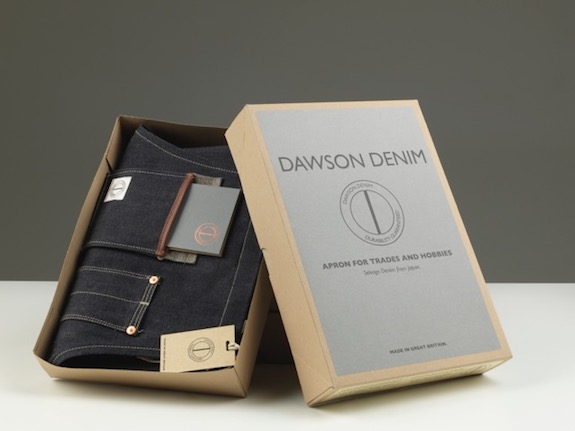
Traditionally jeans are worn with this ‘turn up’ to show this mark of quality (or sometimes because they couldn’t afford a tailor to hem them to length). Modern looms can weave up to 2m width allowing manufacturers the ability to cut more jeans in the same length – cutting the cost but by all accounts the quality too.
What’s your history with selvedge denim?
Edwin: Edwin, as a brand, started in 1947. Mr Tsunemi had been importing and repairing denim from the States before WWII and eventually bought the traditional machinery used to make denim once the Americans had switched to modern technology. The first pair of Edwin jeans were developed in 1961 and 1963.
Edwin produced the world’s heaviest denim at the time (16oz) with our signature three colour Rainbow Selvage. In the ‘80s, Edwin invented the stone washing process and created the new vintage concept in the ‘90s. Today at Edwin Europe we take the brand’s history and that core ethos of Edwin Japan to produce denim for the modern man.
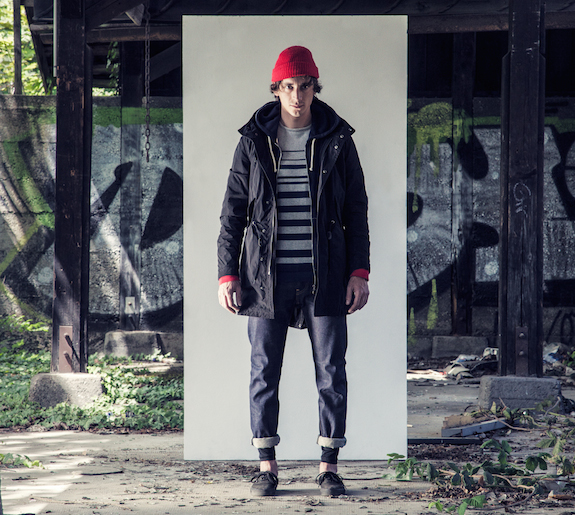
Dawson: Dawson Denim was founded in 2012 by Kelly Dawson, a denim specialist with over 18-year experience, and photographer Scott. The partnership was born out of a passion for all things vintage (vehicular and clothing) and frustration at not being able to buy what we wanted to wear on the high street.
We use traditional techniques learned by experience and word of mouth or by taking garments apart and meticulously recreating versions that are more suitable for today’s lifestyles. We use the best Japanese selvedge denim and original 1950s’ sewing machines to lovingly make each piece in our specialist workshop in Brighton.
Where do you source materials and craft your jeans?
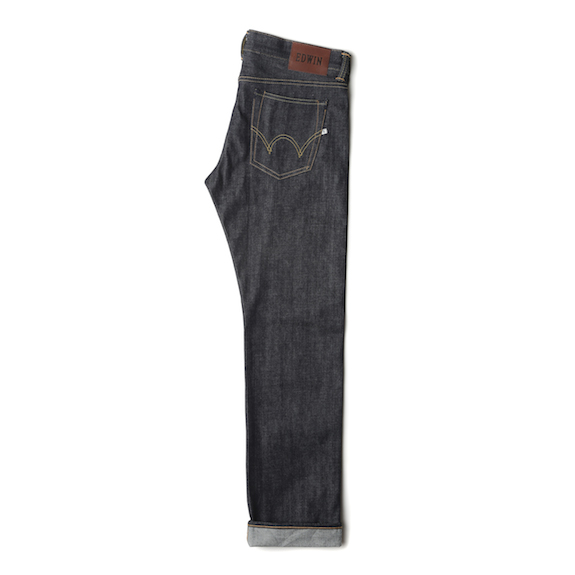
Edwin: Most of our denim is sourced directly from Japan but we have some Italian fabrics that are available at a lower price point. We have a factory in Tunisia where are jeans are manufactured and some of our more premium styles are laundered at Martelli in Italy.
Dawson: We cut all our jeans by hand on paper patterns in our Brighton workshop – a skill widely forgotten today in favour of computers. The fabric is from Okayama, Japan.
What’s behind denim’s timeless appeal?
Edwin: I think denim has gone from being solely associated with work-wear to an everyday wardrobe stable. Now, jeans represent comfort and durability.
Dawson: The success of denim lies in its hard-wearing nature. When the whole world is feeling the pinch it’s necessary for clothing to be long-lasting. Denim is the king of hard-wearing fabrics, especially if you buy the right type.
How long should your denim last before it needs to be replaced?
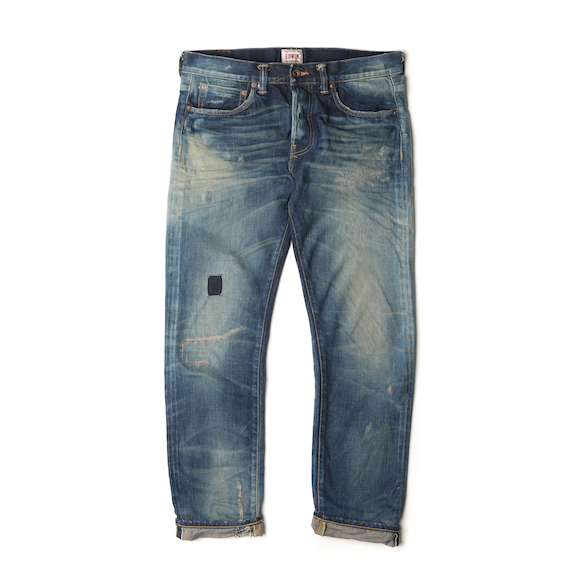
Edwin: It depends on how long you’ve had them and how you use them. Jeans worn from raw tend to last about a year with regular wear before you start to see holes from wear. If you do everything in your jeans then that might happen sooner.
Dawson: It depends how often you wash it or wear it – I have items that I’ve had since I was 13 (and that was a long time ago). Generally a pair of our selvedge jeans will last 10 years but you will need to use our free repair service during that time.
Do you offer an alterations or repair service?
Edwin: Yes – we have an alteration service at our store in Shoreditch.
Dawson: Yes each of our goods comes with a free repair service in the form of a Log Book, this is inspired by Scott’s Granddad’s 1930s’ driving license. The idea of products being built to last has been long forgotten but we want to help our customers maintain their investment and we can repair, patch, darn holes and replace buttons with pride.
Why is it worth paying more for selvedge?
Edwin: It’s hardwearing and durable. Providing that you take care of them, you should get a decent amount of wear out of them.
Dawson: Quality, craftsmanship and keeping an old tradition alive. If that’s not enough then the simple fact that raw selvedge denim will last you longer.


Leave your response!